
EPA NCP listed · SW-70 · 2019
Water-based hydrocarbon remediation. Field-proven across four continents.
X4JH2000 emulsifies hydrocarbons and neutralizes odors. EPA NCP-listed (SW-70, 2019) and REACH-registered. Deployed in oil & gas, manufacturing, transportation, and municipal operations across four continents.

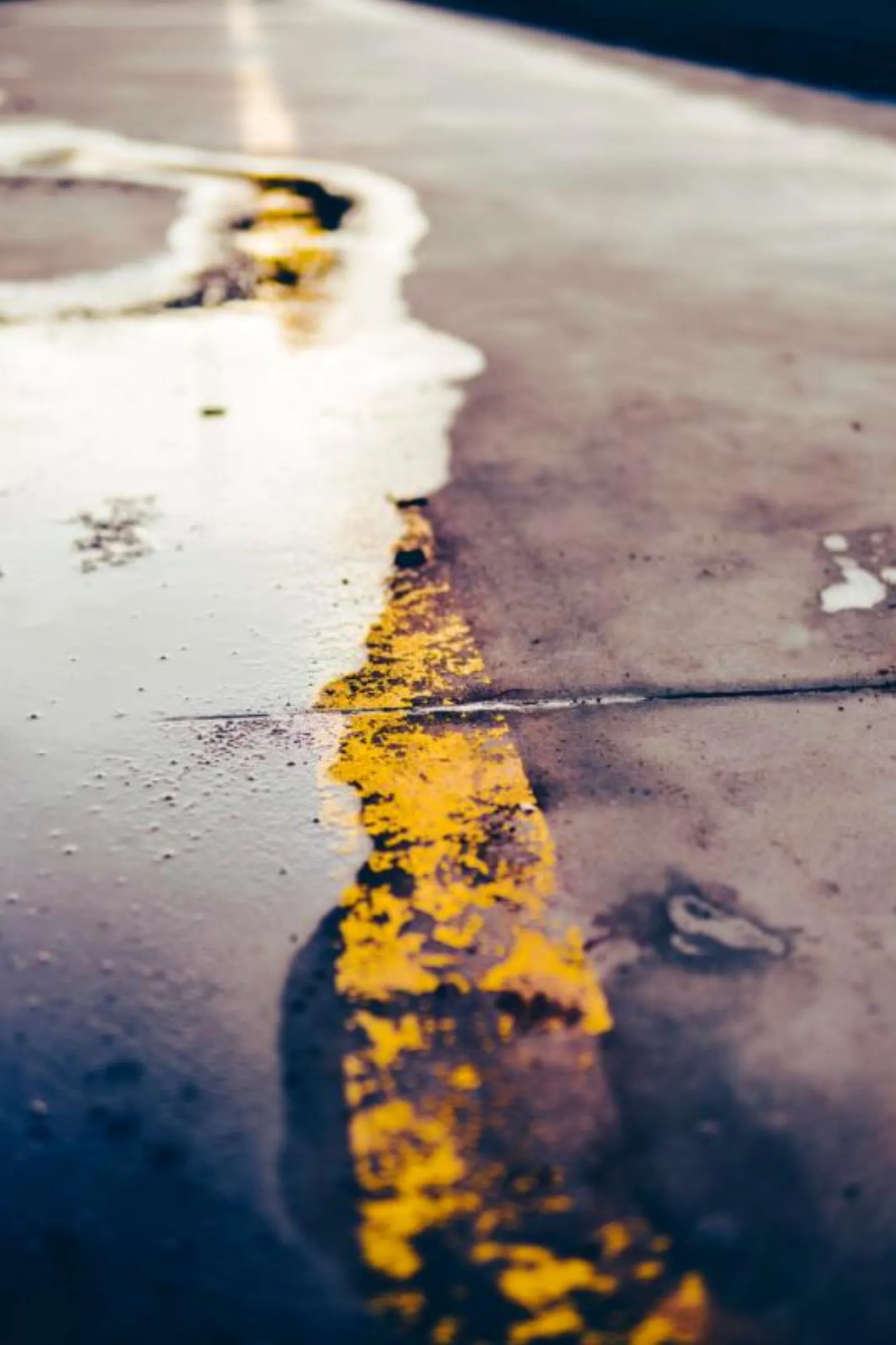
Case study results · not a performance guarantee
TPH reduction in 24–48 hrs
MEINERT RANCH, TX · CASE STUDY
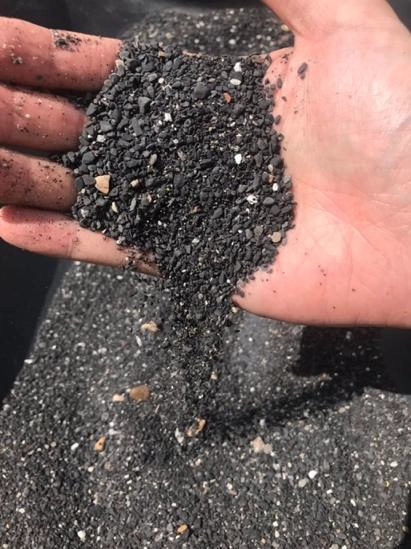
Residual TPH on drill cuttings
PERMIAN BASIN PILOT · CASE STUDY
Field track record
EPA NCP-LISTED SINCE 2019
X4JH2000 is a chemical reagent. Field results vary with weather, soil type, contaminant profile, and application method — observed reductions range from ~35% to ~90% per cycle. The figures above are from specific documented projects.
The problem
Excavation moves liability.
Bioremediation takes a season.
Regulators don’t wait.
Every spill, pit closure, and NOV puts your operation on a clock. Excavation moves the liability — it doesn’t end it. Microbial systems need temperature, time, and luck. Meanwhile the inspector wants closure documentation and operations wants the AFE off the books.
01 · Excavation & disposal
Liability transferred, not resolved. Tanker logistics, manifest paperwork, landfarm rejection risk.
02 · Slow bio / landfarm cycles
Months of treatment time. Temperature-dependent. Stalls in winter, struggles on weathered crude.
03 · NOV exposure & SPCC scrutiny
Open releases extend audit findings. ESG reporting demands timeline closure, not vendor change orders.
The solution
X4JH2000. A water-based reagent that emulsifies hydrocarbons.
Diluted 1:10 with tap, fresh, or salt water. Apply by spray, slurry mix, or in-line dosing. The chemistry forms a stable emulsion in water and stimulates indigenous microbial biodegradation. No microbes, no enzymes added. Non-flammable. Heavy-metal-clean.
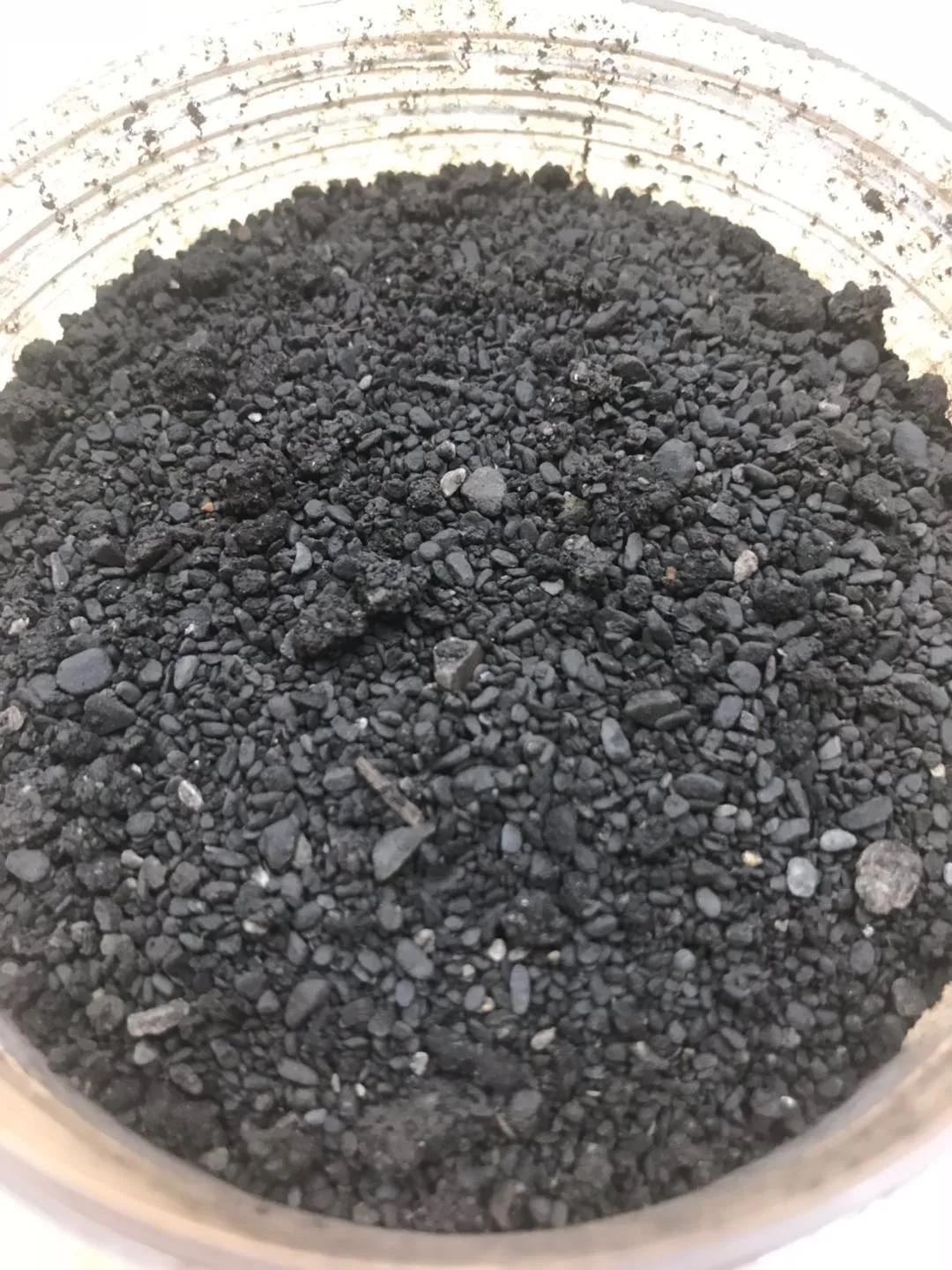
Specification snapshot
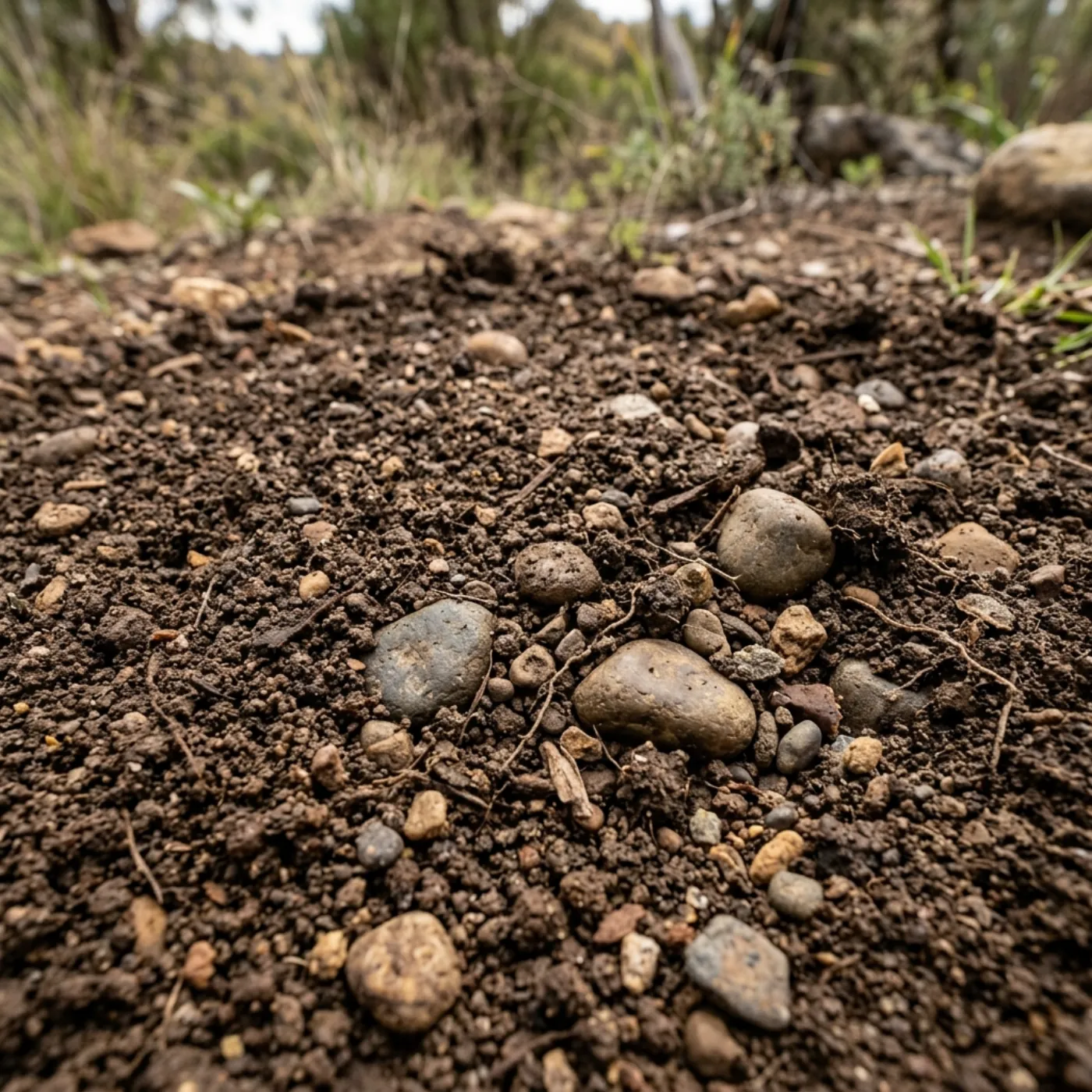
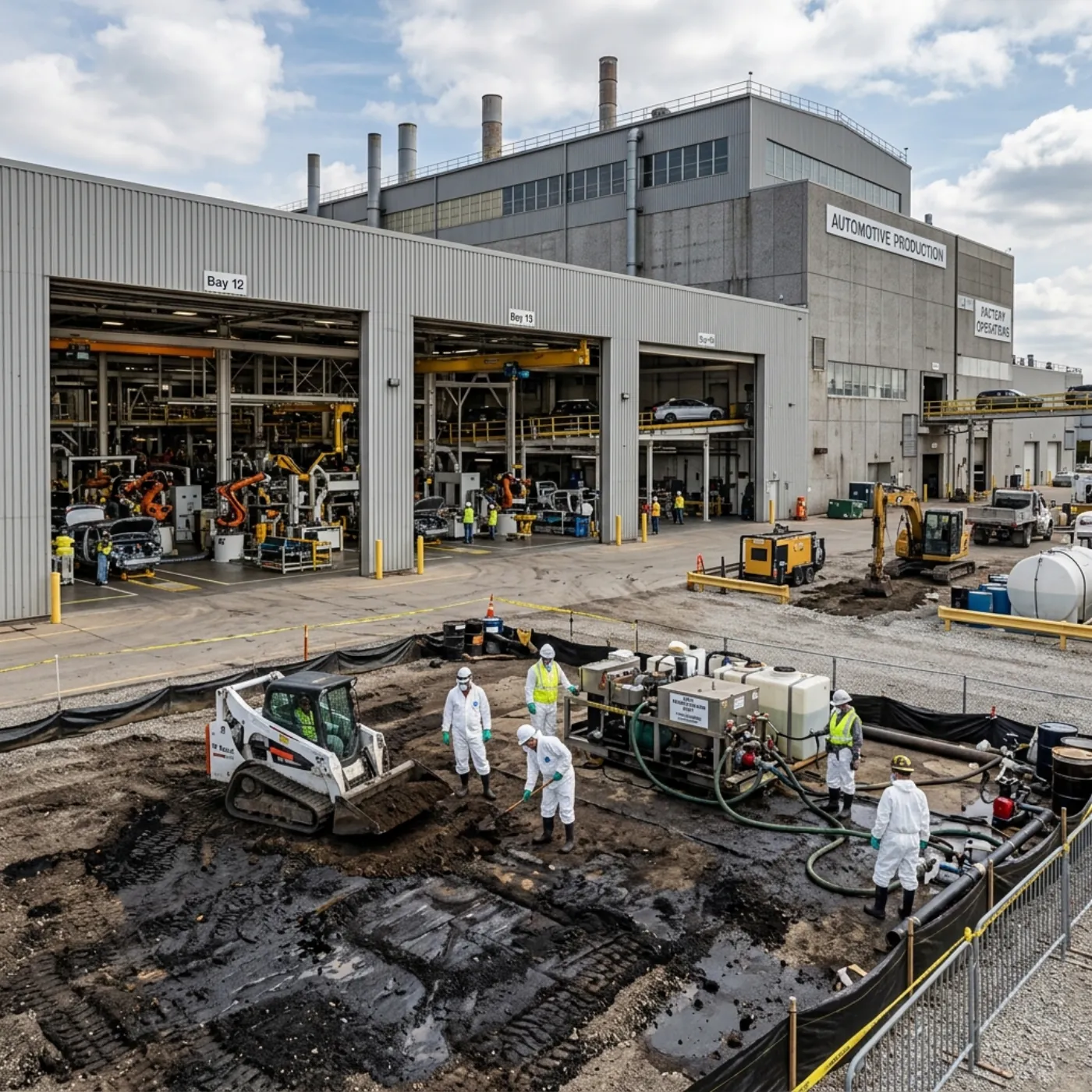
Before · After
Hydrocarbon-saturated soil to natural condition.
Field documentation showing soil before X4JH2000 application and after biodegradation cycle.
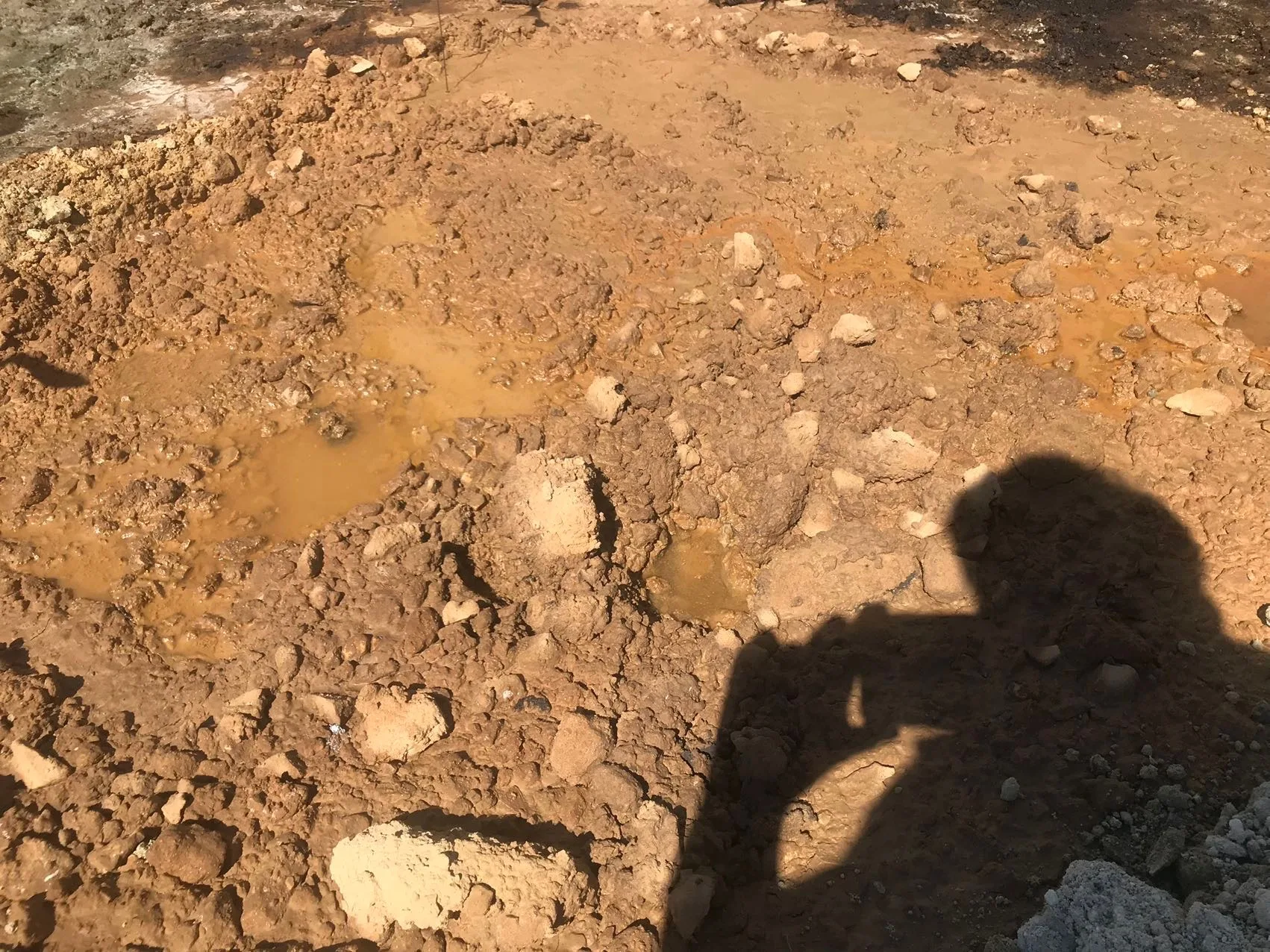
Pre-application · field photo
Crude-saturated soil at active job site. Free hydrocarbon visible.
Post-treatment
Restored substrate. Vegetation re-establishing. TPH within closure limits.
Applications
Six operational use cases. One chemistry.
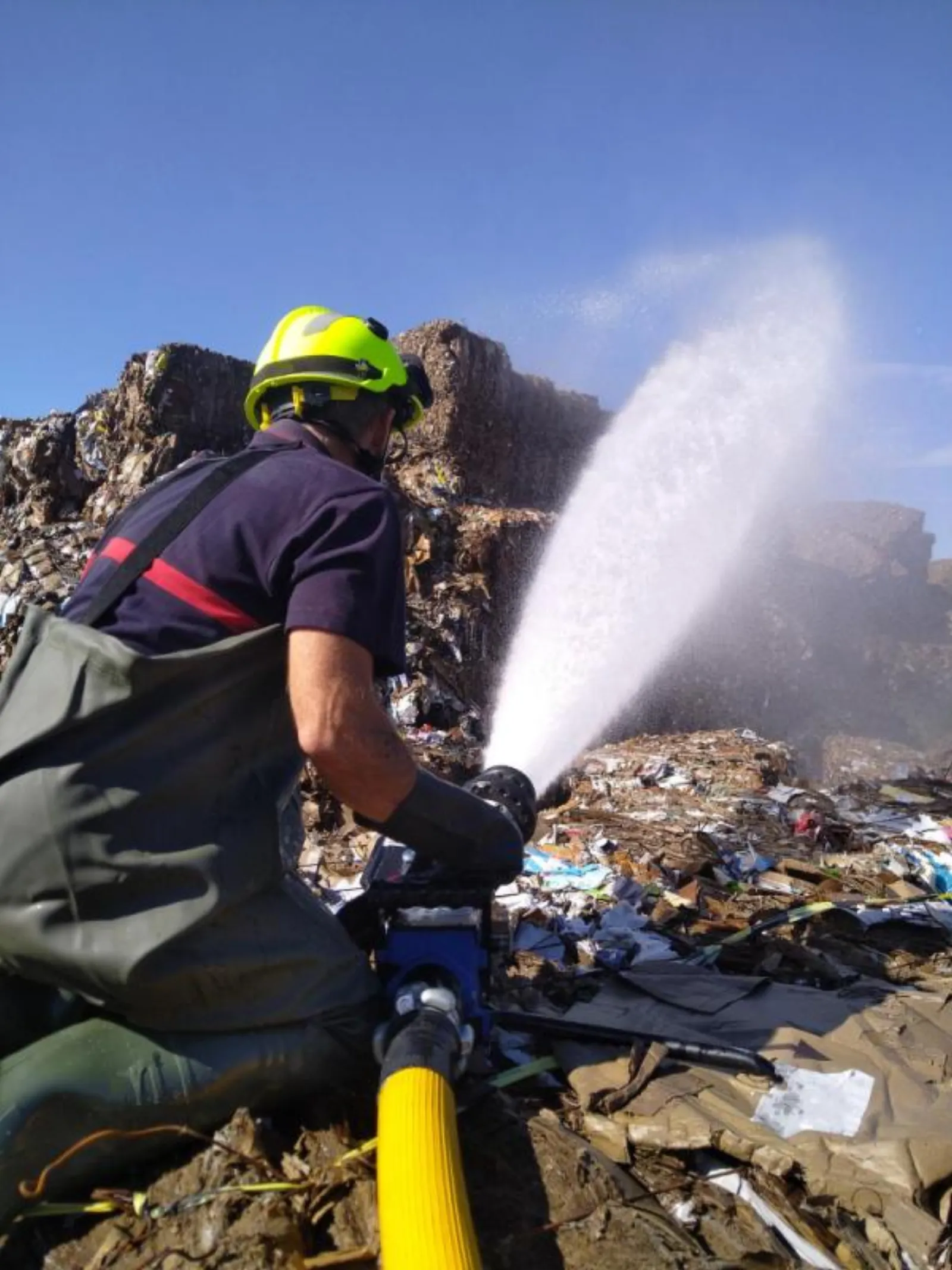
Soil remediation
In-situ application. No excavation. No landfarm cycle.
Drill cuttings washing
OBM/SBM cuttings reduced to <1% TPH on Permian pilot.
Spill response
Fresh or saltwater. Shoreline, pad, and inland releases.
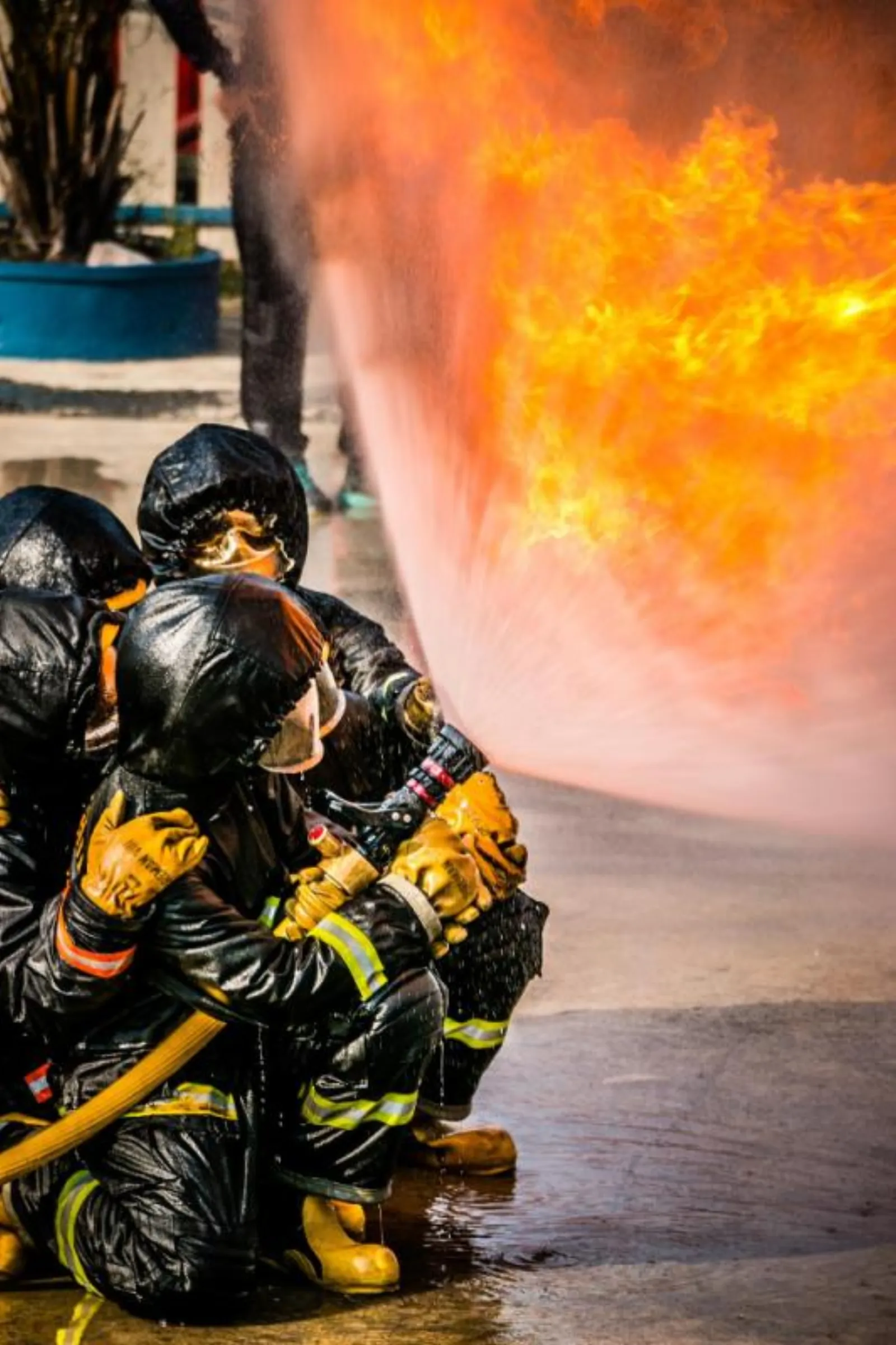
Fire suppression
Water-based. Anti-reignition. Compatible with foam ops.
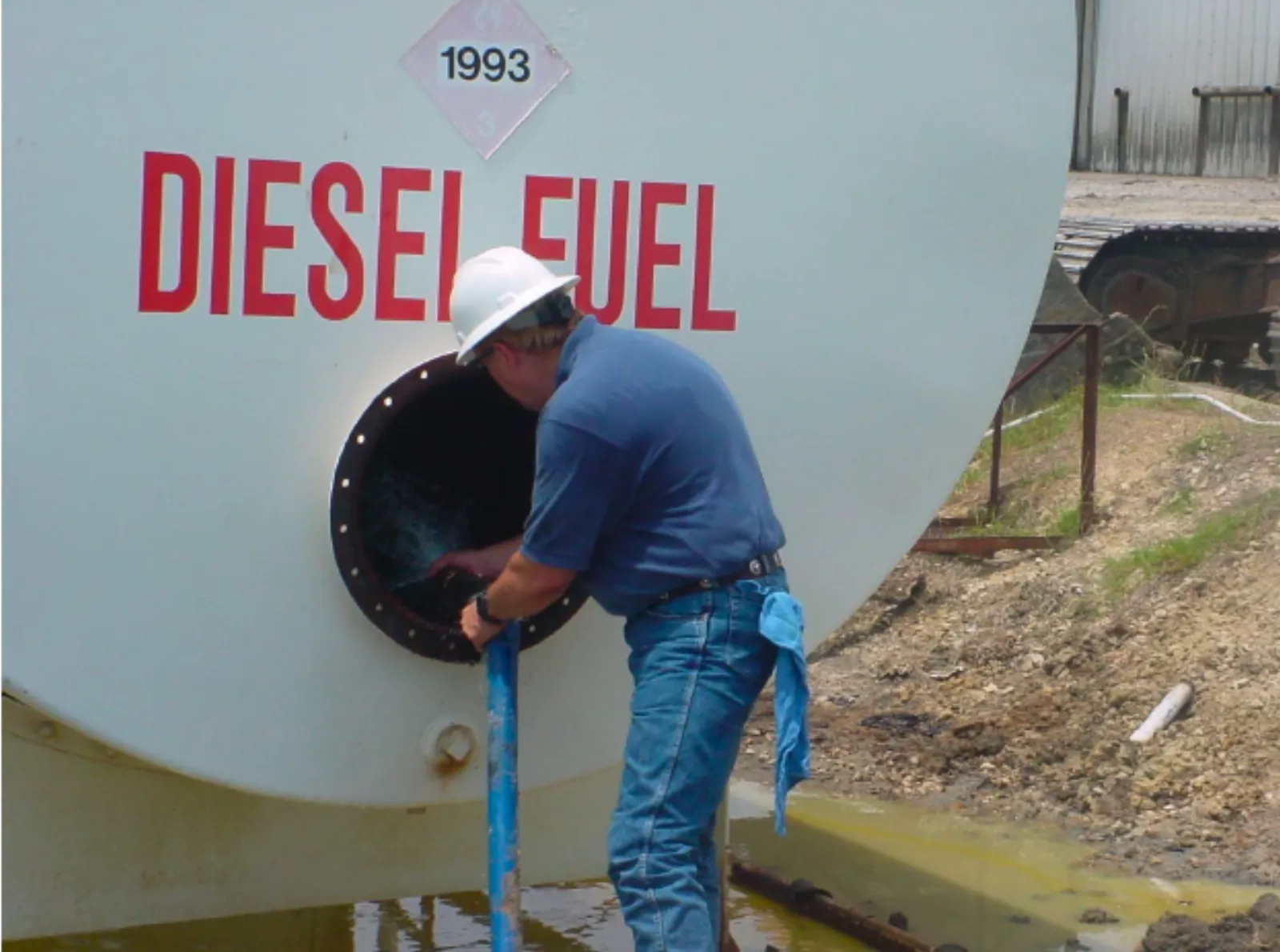
Tank degassing
Vapor or mist application to neutralize harmful gases.
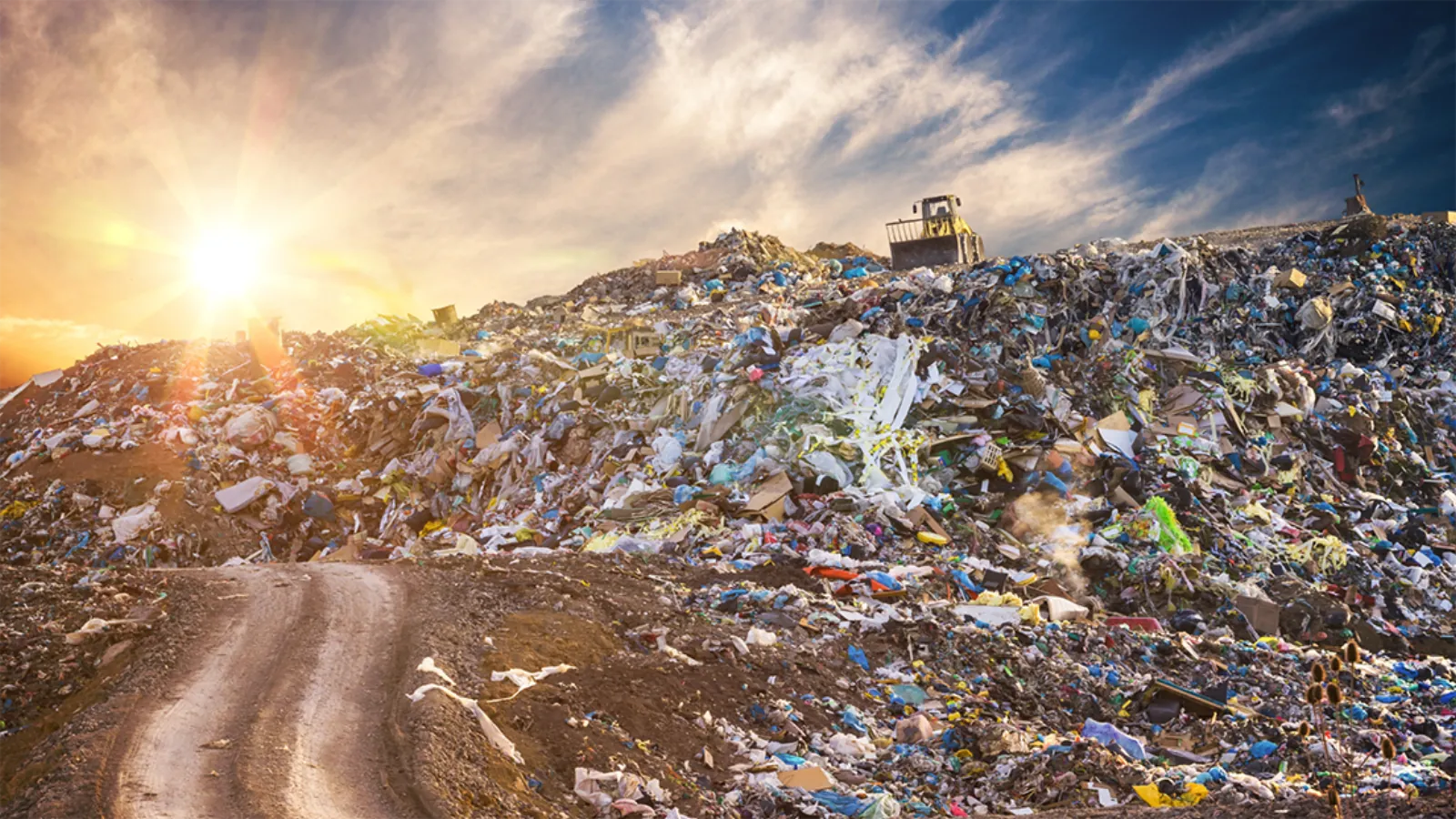
Odor control
H₂S, mercaptans, ammonia at landfill working faces and lift stations.
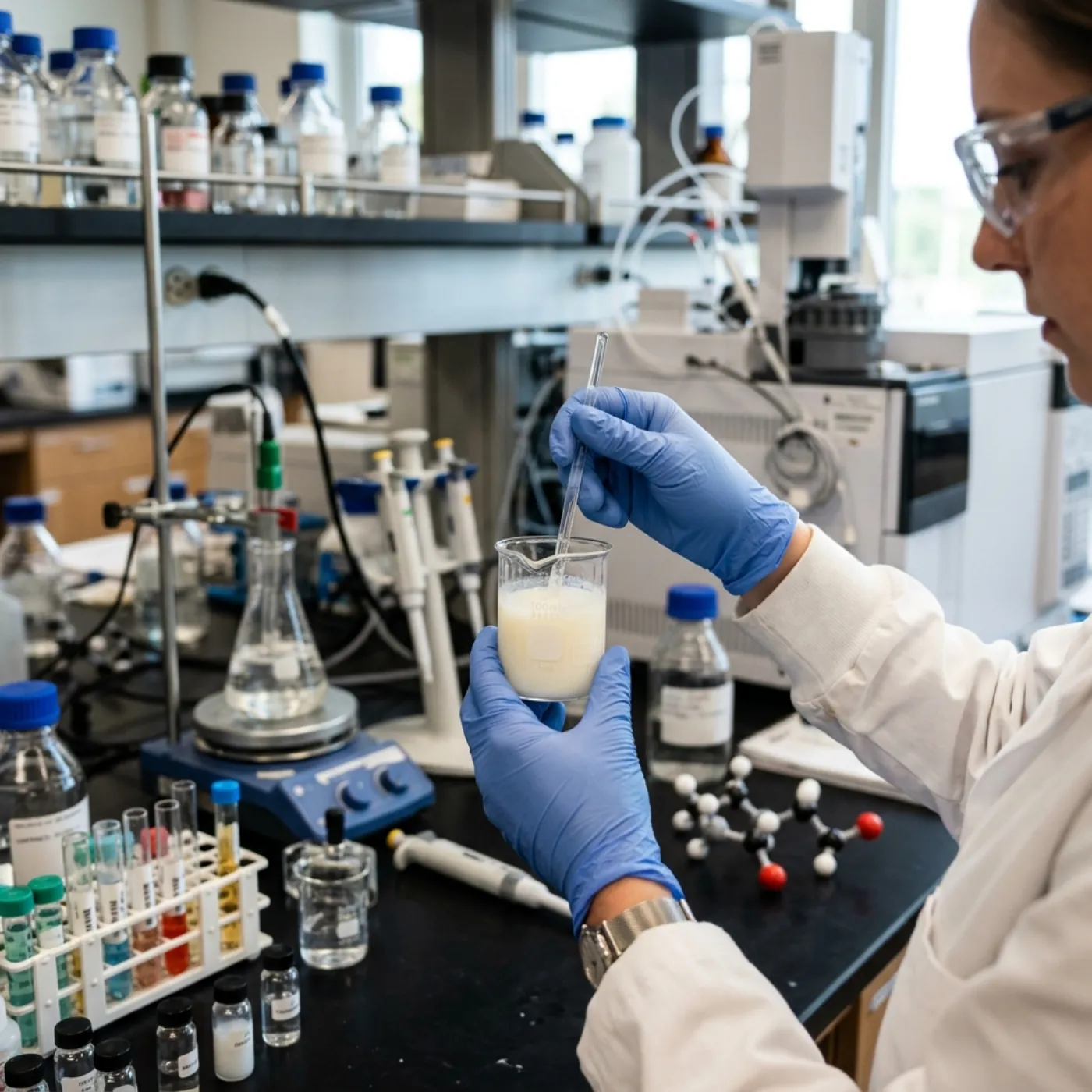
The chemistry
On the record.
Anionic organic surfactant blend (HS Code 340211). No microbes added. No enzymes. No heavy metals. Heavy-metal-clean formulation meets stringent disposal standards. Non-flammable. Biodegradable. Toxicologically characterized under EPA protocols.
Full SDS, ecotoxicology report, and third-party assay data available under NDA.
Toxicity & safety
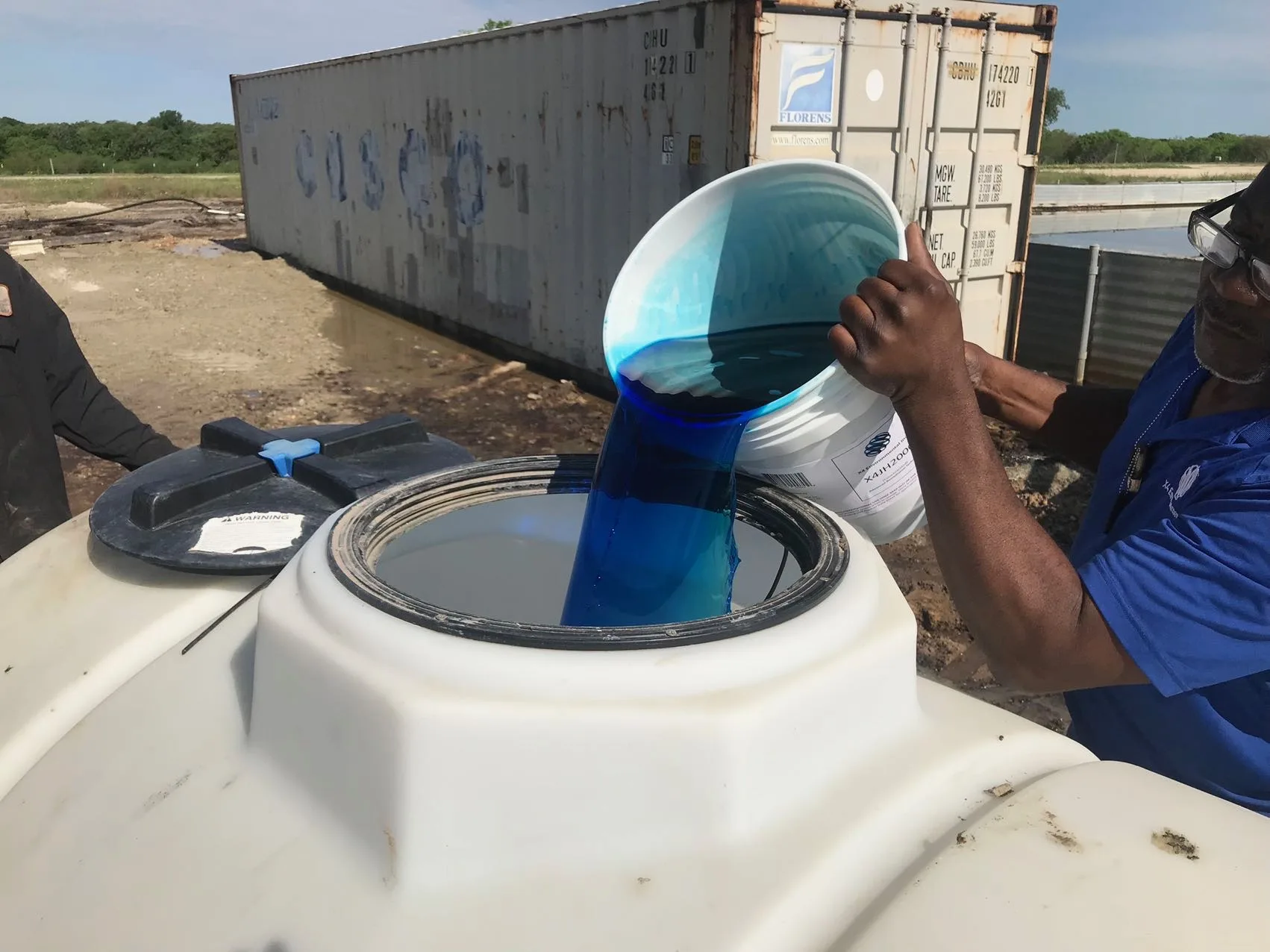
Field photo — X4JH2000 dilution at 1:10, prepared on site
Process
Tell us what you need.
Tell us the outcome you’re after — closure, TPH target, odor compliance, spill response. We’ll respond with an application approach and references from comparable projects.
Tell us what you need
Share your remediation goal and timeline. No site disclosure required to start.
Technical review
Our team reviews feasibility and proposes an approach.
Application plan
Mix ratios, equipment, and method documented in writing.
Sampling protocol
Pre/post lab analysis under chain of custody.
Reference projects
Walk through comparable case studies on request.
Global footprint
Deployed across 4 continents.
Documented case studies in the United States, Mexico, Ecuador, Italy, and China. EPA NCP and EU REACH compliance opens cross-border procurement.
Documented deployment regions
United States
Texas · Louisiana · New Mexico
Oil & Gas · Defense · Manufacturing
Mexico
Veracruz · Chihuahua
Rail · Industrial
Ecuador
Amazon basin
Crude pit restoration
Italy
Rome · Cesano
Municipal odor control
China
Shengli oil field
Oilfield remediation
Talk to our team
Have a remediation challenge?
The pad you can’t close. The cuttings pile that won’t ship. The shoreline the regulator keeps flagging. Tell us what you need — we’ll come back with a technical response.
EPA NCP · USACE · USCG · BLM · EU REACH · TCEQ